Dehumidifier Buying Guide: How to Keep Damp Out of Your Home
- 26 Sep, 2026
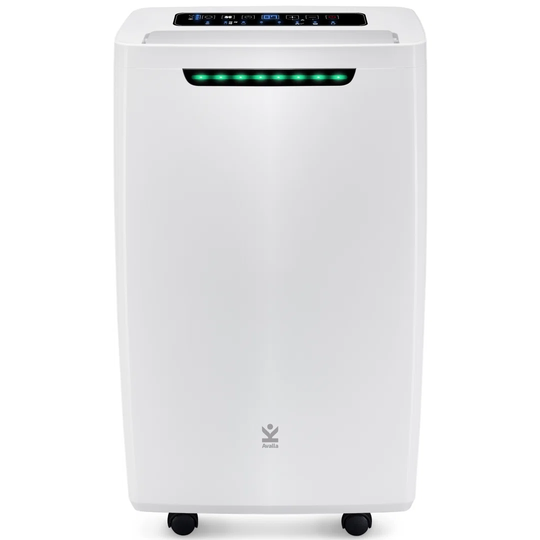
As the evenings get cooler and the heating goes back on, many homes start to show the same signs: misted windows in the morning, a bathroom that never quite dries and a faint musty smell in wardrobes. Excess moisture is not only unpleasant, it can damage paint, plaster, wooden furniture and textiles over time. A dehumidifier is one of the simplest ways to bring it under control. Here is how to choose one that suits your home.
Signs Your Home Has Too Much Moisture
Before you buy, it helps to know what you are dealing with. Common signs include:
- Condensation on windows and window frames, especially in bedrooms in the morning
- Black spots of mould around window seals, in corners or behind furniture
- Peeling wallpaper or bubbling paint
- Clothes that take a long time to dry indoors
- A damp or stale smell in cupboards and wardrobes
A simple digital hygrometer shows you the humidity level in each room, so you can see where the problem is worst. Many people aim for somewhere around 40 to 60 percent relative humidity indoors. If a room sits well above that for long periods, a dehumidifier is worth considering. Persistent damp can also point to a leak or a ventilation problem, so it is worth having that checked as well.
Compressor or Desiccant?
Most home dehumidifiers fall into one of two types.
Compressor dehumidifiers work like a small fridge. They draw air over a cold coil, the moisture condenses into water and drips into a tank. They tend to work best in rooms that are reasonably warm, such as living areas and heated bedrooms.
Desiccant dehumidifiers use an absorbent material to pull moisture out of the air. They usually cope better in cooler spaces like unheated spare rooms, garages and conservatories, and they are often lighter and quieter. They can give off a little warmth while running.
Think about where the unit will spend most of its time and choose the type that suits that room.
Choosing the Right Size and Features
Dehumidifiers are usually described by how many litres of water they can extract per day. A small unit is fine for a single bedroom or bathroom, while a larger one such as a 20L dehumidifier is better suited to bigger rooms, open-plan spaces or homes where you dry laundry indoors. Other features worth looking at:
- Tank size: a larger tank means emptying it less often.
- Continuous drainage: some models let you attach a hose so the water drains away without emptying the tank.
- Humidistat: lets you set a target humidity so the unit switches off when the room is dry enough.
- Laundry mode: runs at a higher fan speed to help clothes dry faster.
- Noise level: important if the dehumidifier will run in a bedroom.
For wardrobes, cupboards and small enclosed spaces, moisture absorber pots and hanging bags are a handy addition. You will find both in our dehumidifier category.
Getting the Most From Your Dehumidifier
Place the unit away from walls and curtains so air can flow freely around it, and keep doors and windows in that room closed while it runs. Empty the tank regularly and clean the air filter according to the manual, as a clogged filter makes the unit work harder. Combine it with good habits: use the extractor fan when you shower or cook, open windows for a few minutes each day when the weather allows and wipe away condensation in the morning. With the right dehumidifier and a few small changes, your home will feel fresher and drier all through the colder months.